
Retiring in Red Rock: Is It the Right Move?
Retiring in Red Rock can be a good move for homeowners who value dry weather, outdoor access, and a quieter Southern Utah routine, provided they are comfortable with summer heat and driving for many daily needs. The decision is less about scenery than whether a home, budget, healthcare plan, and preferred pace of life fit together. For homeowners planning a retirement transition, the practical question is whether simplifying the current property can support a more manageable next chapter.
Red Rock Retirement at a Glance
- Home costs: Prices vary substantially by home condition, lot size, views, accessibility, and distance from daily services. A property-by-property comparison is more useful than a broad regional average.
- Retirement income taxes: Utah offers retirement-income tax credits for qualifying residents, with eligibility tied to household income and filing status. Utah retiree tax guidance
- Medical access: Regional hospital and specialist care generally require driving from Red Rock, so provider networks and likely routes should be part of a retirement-location decision.
- Climate: Dry high-desert weather, bright sun, hot summer afternoons, and generally mild winters.
- Lifestyle draw: Reservoir recreation, trails, scenic drives, golf, and state parks can make outdoor time part of a regular weekly routine. Utah State Parks
Red Rock by the Numbers
Red Rock retirement planning works best with address-specific figures, because property type and location can change both monthly carrying costs and practical access to services.
Housing: A meaningful comparison includes the purchase price or rent, insurance, community fees, cooling requirements, maintenance reserves, irrigation, and transportation costs.
Resident profile: The surrounding area draws households seeking a quieter Southern Utah lifestyle, but the day-to-day experience differs between larger-lot homes, newer subdivisions, and lower-maintenance attached residences.
Living costs: Vehicle ownership, cooling use, distance to groceries, and regular medical travel may matter more than a generalized index for a household living on retirement income.
Primary-residence taxation: Qualifying Utah primary residences receive a 45% exemption on fair market value, leaving 55% as the taxable value before local rates are applied. Utah primary residential exemption guidance
Why Retirees Choose Red Rock
Red Rock appeals to retirees who want a home-centered routine with access to desert scenery, outdoor recreation, and a slower pace. The strongest fit is often a household that values privacy, enjoys planning errands around cooler hours, and prefers regular time outside without relying on a dense urban calendar.
The regional recreation network is a tangible advantage. Gunlock State Park supports boating, fishing, swimming, and picnicking, while surrounding public lands offer scenic drives and trail access. Those amenities can support morning walks, weekday outings, and visits with family without requiring a major trip.
For homeowners making a retirement transition, the right home can also simplify daily responsibilities. A single-level layout, shaded patio, manageable yard, practical storage, and room for occasional guests may prove more useful than a large footprint. Reducing stairs, unused rooms, and recurring exterior work can make a retirement home easier to maintain over time.
The tradeoff is convenience. Many errands remain vehicle-oriented, so prospective residents should test routes to groceries, pharmacies, recreation, and routine appointments from any address they are considering.
Cost of Living in Red Rock
Cost of living in Red Rock is most manageable when housing, transportation, cooling, and healthcare are considered as one retirement budget. Housing is usually the largest variable. An attached residence or smaller single-level home may reduce exterior work, while a detached home can add landscaping, irrigation, roof care, and repair responsibilities.
For a homeowner planning a transition using current home equity, the useful starting point is expected net proceeds rather than the headline sale price. Calculate the remaining loan payoff, preparation costs, moving expenses, and any temporary housing before setting a purchase budget. That approach helps clarify how much flexibility is available for a lower-maintenance home, accessibility updates, or a location closer to routine services.
Groceries, pharmacies, restaurants, and many errands typically require a vehicle. Fuel, insurance, maintenance, and mileage for medical appointments can therefore be meaningful fixed-income expenses. Summer cooling also deserves attention. Reliable air conditioning, shade, insulation, and efficient windows are practical comfort features in a dry climate with hot afternoons.
Healthcare premiums remain personal. Medicare coverage, prescription needs, preferred providers, and specialist networks should be evaluated alongside a prospective address. A home that shortens routine driving can be more valuable in daily comfort than additional square footage.
Cost of Living: Red Rock vs Nearby Areas
A useful retirement comparison starts with the total monthly cost of a specific home, not a broad regional average. Housing type, cooling needs, road access, upkeep, and travel distance can create very different budgets within the same part of Southern Utah.
| Cost area | What to compare before deciding |
|---|---|
| Housing | Purchase price or rent, insurance, community fees, repair reserves, and maintenance responsibilities |
| Utilities | Cooling demand, shade, energy efficiency, irrigation, and seasonal electricity use |
| Transportation | Distance to groceries, pharmacies, medical visits, recreation, and family |
| Property taxes | Primary-residence treatment, assessed value, local taxing entities, and relief eligibility |
| Healthcare | Travel time to routine care, urgent care, hospital services, and specialists |
| Lifestyle spending | Golf, dining, memberships, fuel, home projects, and travel patterns |
A lower-maintenance home closer to services may reduce driving and exterior obligations. A larger property with more land, views, or privacy may better suit homeowners who are prepared for greater upkeep.
Retirement Income & Taxes in Red Rock
Utah's tax picture can be favorable for retirees, but the result depends on income sources, filing status, residency, and eligibility for available credits. Social Security benefits, pensions, and distributions from traditional retirement accounts should be reviewed together rather than treated as separate tax questions.
Utah provides a retirement tax credit for qualifying residents with eligible retirement income, subject to modified adjusted gross income phase-out limits. Because thresholds and filing status matter, households should consult current state guidance and obtain professional tax advice before relying on a projected result.
Qualifying Utah primary residences receive a state-authorized exemption equal to 45% of fair market value. This exemption applies to a qualifying primary residence rather than a second home or a property used for transient occupancy. County-administered relief programs, such as circuit breaker or veteran abatements, may also be available for eligible homeowners based on age, income, disability, or hardship.
Utah does not impose an inheritance or state estate tax. Federal estate-tax considerations can still matter for some households, especially when a retirement move affects ownership, beneficiary planning, or assets held over time. Eligibility, filing requirements, and deadlines can change, so review state and county guidance before closing.
Tax Snapshot for Retirees
- Retirement income credit: Utah provides a retirement tax credit for qualifying residents, with household income and filing status affecting eligibility.
- Primary-residence exemption: Qualifying primary residences receive a 45% exemption on fair market value for property-tax purposes.
- Taxable value: The remaining 55% of a qualifying primary residence's fair market value is used before local property-tax rates are applied.
- Additional relief: Some homeowners may qualify for county-administered property tax relief based on age, income, disability, or hardship.
Healthcare in Red Rock
Healthcare access in Red Rock can work for retirees who plan around driving distance, provider availability, and insurance networks. The practical consideration is not simply the nearest hospital, but whether primary care, pharmacy access, urgent care, and needed specialists are reachable from a specific address.
Before choosing a home, verify that preferred primary-care providers and specialists participate in the household's Medicare coverage. Test the route to the nearest pharmacy and likely urgent-care location at the times it would most often be used. Households managing chronic conditions should also ask about appointment availability and prescription coordination before moving.
Hospital quality and patient-experience information can be checked through Medicare Care Compare. Specialized care may involve longer wait times or travel beyond the immediate area, particularly for complex conditions. That does not rule out retirement in Red Rock, but it makes home location and provider planning more important.
For aging in place, being closer to routine services may provide more practical value than additional square footage. A retirement property should support the routes and appointments that will matter in ordinary weeks, not only its views or lot size.
Where Retirees Live in Red Rock
Retirees in Red Rock often prioritize a manageable home, privacy, storage, and practical outdoor space over a particular neighborhood label. The best fit depends on daily function, expected upkeep, and comfort with driving.
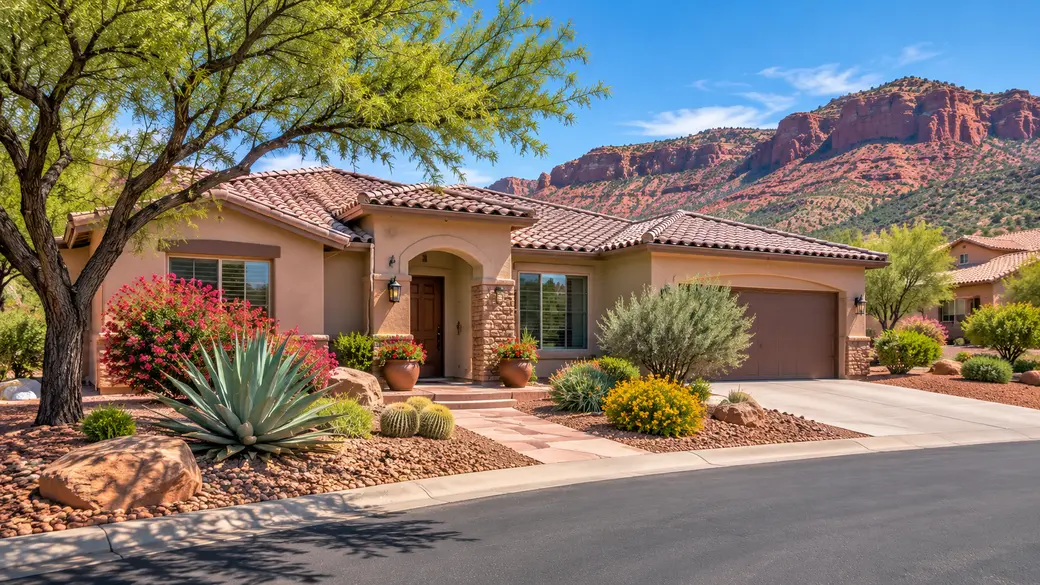
Single-level detached homes can suit active couples and downsizers who want a private patio, room for visiting family, and easy movement between indoor and outdoor spaces. Step-free entries, shaded outdoor areas, a practical bedroom layout, and a manageable yard can matter more than a larger home with seldom-used rooms.
Townhomes and other attached residences may suit snowbirds, single retirees, and owners seeking a lock-and-leave routine. These homes can reduce weekend projects, although buyers should carefully review community fees, parking, exterior responsibilities, and association rules.
Smaller detached homes closer to everyday services can appeal to retirees who prioritize shorter drives to groceries, pharmacies, and appointments. Quieter edge-of-area properties may suit homeowners who value views, larger lots, and separation from busier roads, though those choices usually require more comfort with driving and exterior maintenance.
When comparing options, prioritize the layout and carrying costs that support the next stage of life. A home that feels manageable in ordinary weeks is often a better retirement fit than one selected mainly for size or scenery.
Climate & Lifestyle: What Daily Life Actually Looks Like
Daily life in Red Rock is shaped by dry air, bright sun, and intensely hot summer afternoons. Morning walks, early tee times, and indoor errands later in the day are often more comfortable than midday outdoor activity. Heat can affect hydration, medications, gardening, cooling costs, and general comfort, so dependable air conditioning and shade are important considerations.
The lifestyle is centered on outdoor anchors rather than dense walkability. Gunlock State Park offers boating, fishing, swimming, and picnicking. Nearby public lands support scenic drives and trail access, while regional golf courses, arts programming, dining, and community events provide social options during hotter periods.
This rhythm can suit retirees who enjoy planned recreation, home-based routines, and outdoor activity during cooler hours. It may be less convenient for those who expect frequent public transportation or want most errands within walking distance.
Pro-Tip: Test your preferred daily routes during a hot-weather stretch. Shade, cooling reliability, and drive time can affect retirement comfort as much as the view.
Ready to Explore Retiring in Red Rock?
Bryan Knudson works with retirees and downsizers considering Red Rock and surrounding Southern Utah communities. For an informational conversation about retirement-transition timing, home preparation, and the local market, contact Sell Dixie at +1 (435) 632-2349 or reach out through the Sell Dixie contact page.
Frequently Asked Questions
Is Red Rock a good place to retire?
Red Rock can be a strong fit for retirees who value dry weather, outdoor recreation, privacy, and a quieter Southern Utah routine. It is best suited to people comfortable with hot summers, vehicle-based errands, and evaluating medical access from a specific home location.
How affordable is Red Rock on a fixed retirement income?
Affordability depends on the full monthly picture, including housing, insurance, cooling, transportation, maintenance, and healthcare coverage. Homeowners planning to sell should calculate expected net proceeds and moving costs before choosing a retirement budget.
Is healthcare access adequate in Red Rock for retirees?
Healthcare can be workable when retirees confirm provider networks, pharmacy access, hospital routes, and specialist availability before moving. A household with ongoing medical needs should assess travel times from the exact address being considered.
What are the property tax and retirement income tax benefits in Utah?
Qualifying Utah primary residences receive a 45% exemption on fair market value for property-tax purposes, leaving 55% as the taxable value. Utah also offers a retirement tax credit for eligible households, while income, filing status, residency, and county relief-program rules can affect individual results.
What types of housing are available for retirees in Red Rock?
Retirees can consider single-level detached homes, townhomes, attached residences, and smaller properties designed for easier upkeep. Useful features include step-free entries, shaded outdoor areas, manageable yards, accessible layouts, and practical access to daily services.
What is the social and lifestyle scene like for retirees in Red Rock?
The lifestyle centers on reservoirs, parks, trails, golf, scenic drives, and regional arts and dining. It particularly suits retirees who enjoy outdoor activity during cooler hours and are comfortable driving to social, medical, and retail destinations.
Categories
Recent Posts